
What Makes Gold Different from Forex Pairs?
Key Takeaways Gold is a commodity, not a currency of an economy. XAU/USD has no central bank or interest rate of its own and is driven by real interest rates,

Major, Minor and Exotic Currency Pairs Explained
Key Takeaways Currency pairs fall into three groups. Majors pair the US dollar with another top currency, minors or crosses pair two majors without the dollar, and exotics pair a
The Most Traded Currencies in the World: Top 10 Ranked
Key Takeaways The US dollar dominates currency trading. It was on one side of 89.2% of all trades in the BIS survey of April 2025, followed by the euro at
Margin, Leverage and Free Margin: A Complete Guide
Key Takeaways Margin is a deposit, not a fee. The broker holds it while a trade is open, and at 1:100 leverage, 1 lot of EUR/USD at 1.0850 needs about
Trading Costs Explained: Spread, Commission, Swap, Slippage
Key Takeaways There are four main trading costs. The spread on every trade, commission on raw spread accounts, swap on positions held overnight, and slippage when price moves before your
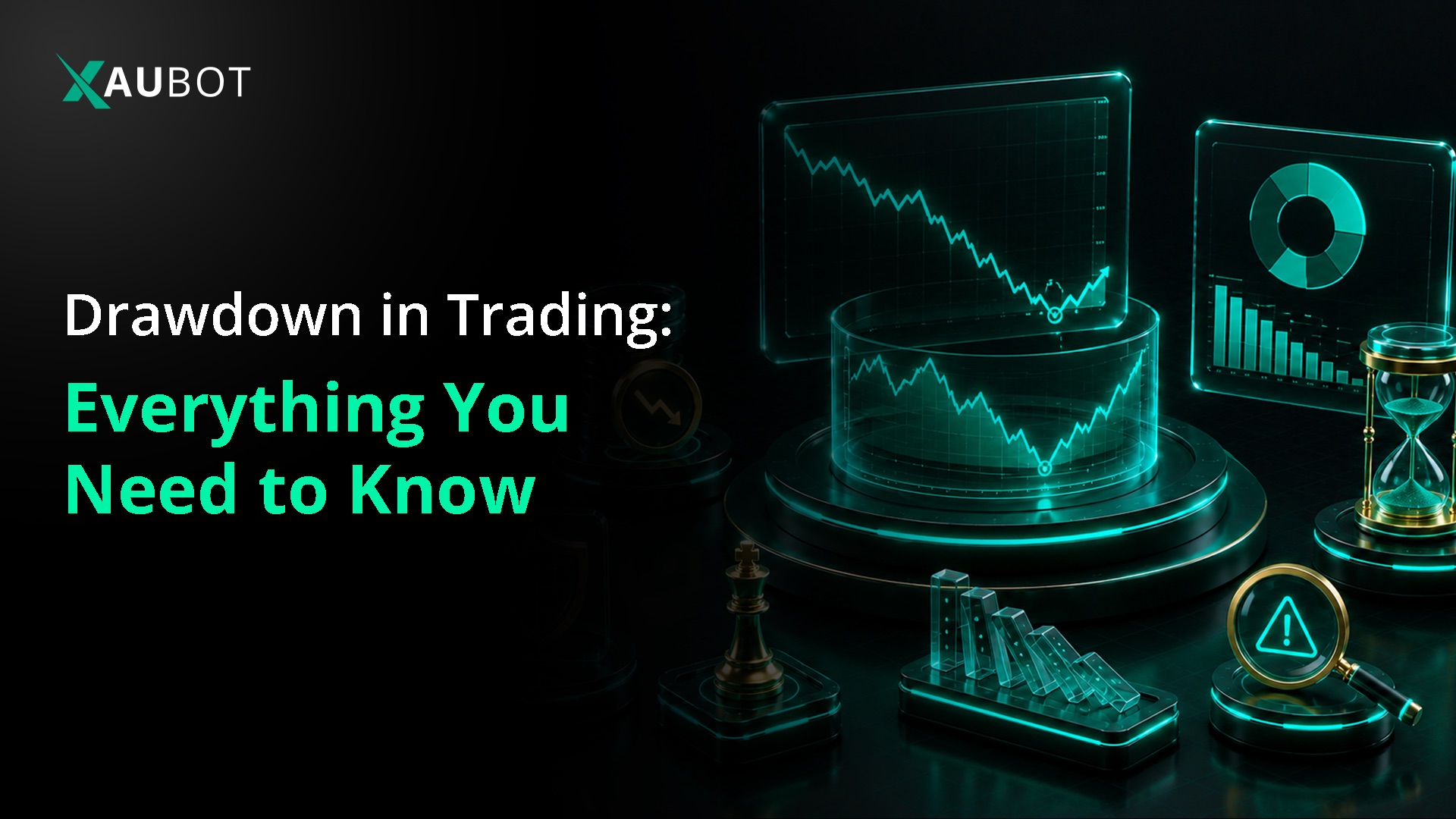
Drawdown in Trading: Everything You Need to Know
Key Takeaways Drawdown is how far your account falls from its highest point. An account that peaks at $12,000 and drops to $9,600 is in a 20% drawdown, even if
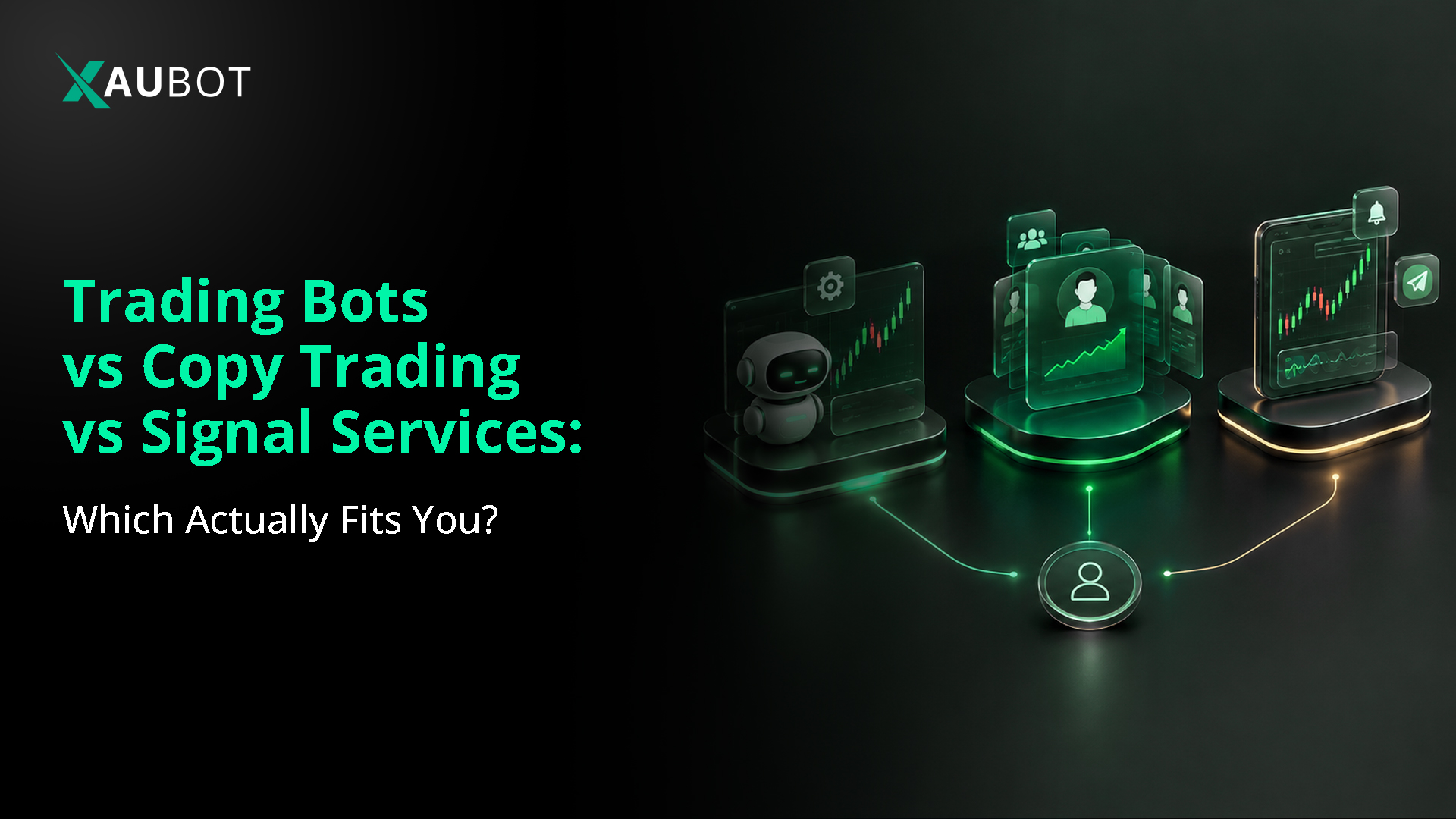
Trading Bots vs Copy Trading vs Signal Services: Which Actually Fits You?
Key Takeaways Signal services tell you what to trade. You remain responsible for placing, managing, and closing every order yourself. Copy trading mirrors another trader’s account. Their trading decisions are
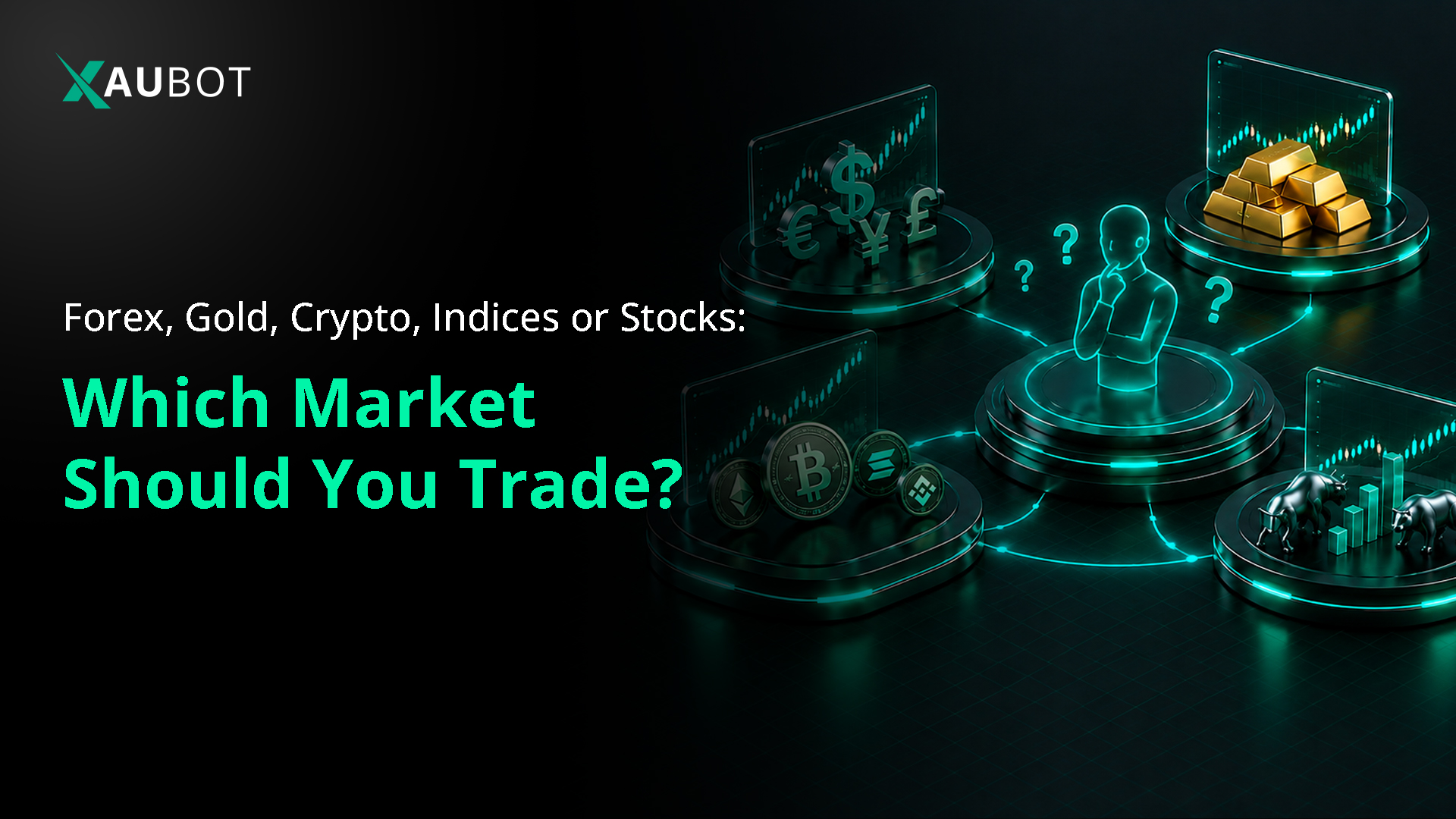
Forex, Gold, Crypto, Indices or Stocks: Which Market Should You Trade?
Key Takeaways The best market is the one that fits your circumstances. Your trading hours, risk tolerance, and account size matter more than which market is making headlines. Markets can
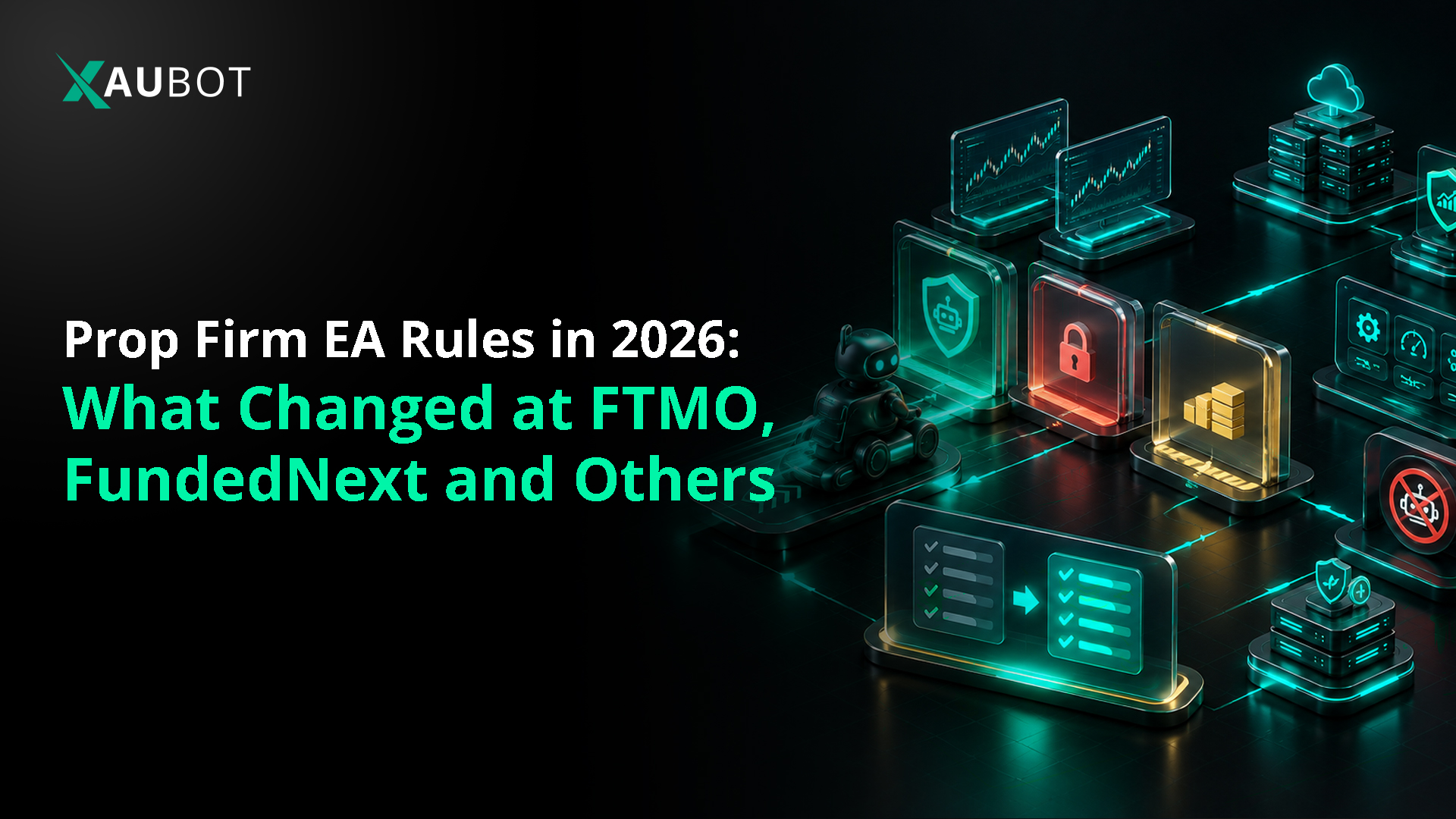
Prop Firm EA Rules in 2026: What Changed at FTMO, FundedNext and Others
Key Takeaways Major prop firms have generally become more accepting of EAs. While outright EA bans were more common in the past, many major firms now allow automated trading with